Seasonal changes can considerably influence your HVAC system's efficiency and efficiency. As temperatures shift, you may discover boosted energy costs or irregular indoor convenience. Comprehending just how these changes impact heating and cooling down needs is necessary for keeping peak system operation. Seasonal upkeep plays a vital duty in preparing your system for these changes, but there's even more to take into account. Allow's discover the various elements influencing your cooling and heating system throughout the year.
Trick insights
- Seasonal temperature level changes call for heating and cooling systems to adjust for efficient home heating in winter season and air conditioning in summer season. High humidity degrees in summer can cause pain, requiring reliable dampness control for interior atmospheres. Regular seasonal maintenance, consisting of filter substitutes and air duct assessments, boosts cooling and heating performance and decreases power intake. Air high quality differs with seasons, impacting health and wellness; regular filter upkeep and air filtration are crucial for optimal interior air. Proper air circulation and draft avoidance steps improve cooling and heating performance and energy performance throughout the year.
The Effect of Temperature Level Fluctuations on Heating And Cooling Performance
As temperatures rise and fall between seasons, your cooling and heating system's effectiveness can substantially transform. Throughout temperature extremes, your system's responsiveness is checked, affecting its overall efficiency. In the winter months, for example, heating needs raise, which can stress the system if it's not appropriately maintained. On the other hand, summer season's heats require reliable air conditioning, pushing your cooling and heating to work tougher. If your system isn't adjusted for these changes, you'll observe higher energy costs and potentially inconsistent interior temperature levels. Regular upkeep, including checking cooling agent levels and cleaning filters, guarantees your system can adjust effectively to seasonal changes. By recognizing just how temperature level extremes influence your HVAC's responsiveness, you can take positive steps to boost its performance and prolong its life expectancy.
Humidity Levels and Their Effect on Indoor Convenience
While temperature level is usually the main emphasis when it comes to indoor comfort, humidity degrees play a necessary function in just how comfy you really feel in your area. High humidity can make you feel sticky and unpleasant, while low humidity can bring about completely dry skin and respiratory concerns. Efficient moisture control is essential for keeping a balanced interior setting. Using a dehumidifier or changing your a/c system can help manage dampness levels. Additionally, if you have indoor plants, they can both add to and gain from appropriate moisture degrees, boosting general convenience. Striking the appropriate equilibrium not only improves your convenience yet additionally protects your personal belongings and supports the health and wellness of your interior plants.
Seasonal Upkeep: Preparing Your System for Adjustment
Moisture control is just one facet of maintaining a comfy interior setting; regular seasonal upkeep of your cooling and heating system is just as crucial. Preparing your system for seasonal changes assures it operates successfully and properly.
Here are crucial maintenance jobs to concentrate on:
- Filter replacement: Modification your filters frequently to boost air flow and boost effectiveness. Thermostat calibration: Validate your thermostat is accurately checking out temperatures for peak convenience. Air duct assessment: Look for any obstructions or leakages that might hinder performance. Condensate drain cleaning: Clear any type of obstructions to prevent water damages and keep performance.
The Duty of Air High Quality in Various Seasons
Air top quality varies considerably with seasonal adjustments, impacting both comfort and wellness. During spring and fall, you'll face seasonal irritants like plant pollen and mold and mildew, which can aggravate respiratory concerns. In contrast, cold weather may introduce indoor air top quality challenges due to heating unit running continuously, typically causing dry air. Carrying out efficient air purification systems can significantly enhance interior air quality, filtering out hazardous bits and allergens. It's likewise essential to on a regular basis clean or replace cooling and heating filters to maintain peak efficiency throughout the year. By staying positive regarding air high quality, you can create a healthier setting in your home, ensuring that both you and your a/c system function at their ideal, despite the period.
Sunshine Direct Exposure and Its Impact on HVAC Performance
Seasonal adjustments not just affect air high quality but also the means sunshine interacts with your HVAC system. Boosted daylight hours during summer season can lead to higher solar gain, compeling your ac system to work tougher. Conversely, shorter days in winter months could mean your heating unit needs to compensate for the lack of natural warmth.
Take into consideration these vital elements:
- Straight sunlight can elevate indoor temperatures substantially. Solar gain can cause enhanced air conditioning costs in summertime. Appropriate window therapies can assist regulate indoor temperatures. Seasonal changes to your cooling and heating setups might enhance efficiency.
Understanding these factors enables you to maximize your HVAC system's efficiency throughout the year, making sure comfort and possible price financial savings. Being positive regarding sunlight exposure can make a visible distinction.
Power Usage Trends Throughout the Year
As the seasons modification, your heating and cooling system's energy consumption rises and fall significantly. Throughout wintertime, home heating demands top, while summer brings increased cooling down demands, impacting your power expenses. Changing seasons can additionally influence use patterns, calling for adjustments to optimize effectiveness https://kensingtonhvac.co.uk/index.html year-round.
Winter Season Home Heating Demands
Throughout winter months, home heating needs considerably increase, causing a remarkable increase in power consumption. This rise can profoundly influence your home heating expenses, making it vital to optimize your cooling and heating system's performance. Understanding heating system effectiveness becomes important in taking care of those expenses.
- Raised dependence on your heating system Greater energy consumption because of lower outside temperature levels Potential stress on older or much less effective furnaces Higher utility expenses mirroring enhanced heating needs
To maintain convenience while regulating costs, think about organizing routine maintenance checks. Enhancing your heater performance not only decreases heating costs however additionally extends the life of your system. By concentrating on these elements, you can better browse the winter heating needs and minimize power intake.
Summertime Cooling Heights
When outside temperature levels skyrocket, your HVAC system encounters its biggest challenge, leading to substantial energy intake comes to a head. Throughout the summer months, the demand for cooling rises, causing your system to work more challenging to maintain comfortable indoor temperatures. This duration typically correlates with higher summer energy expenses, as your device operates at peak efficiency to battle warm.
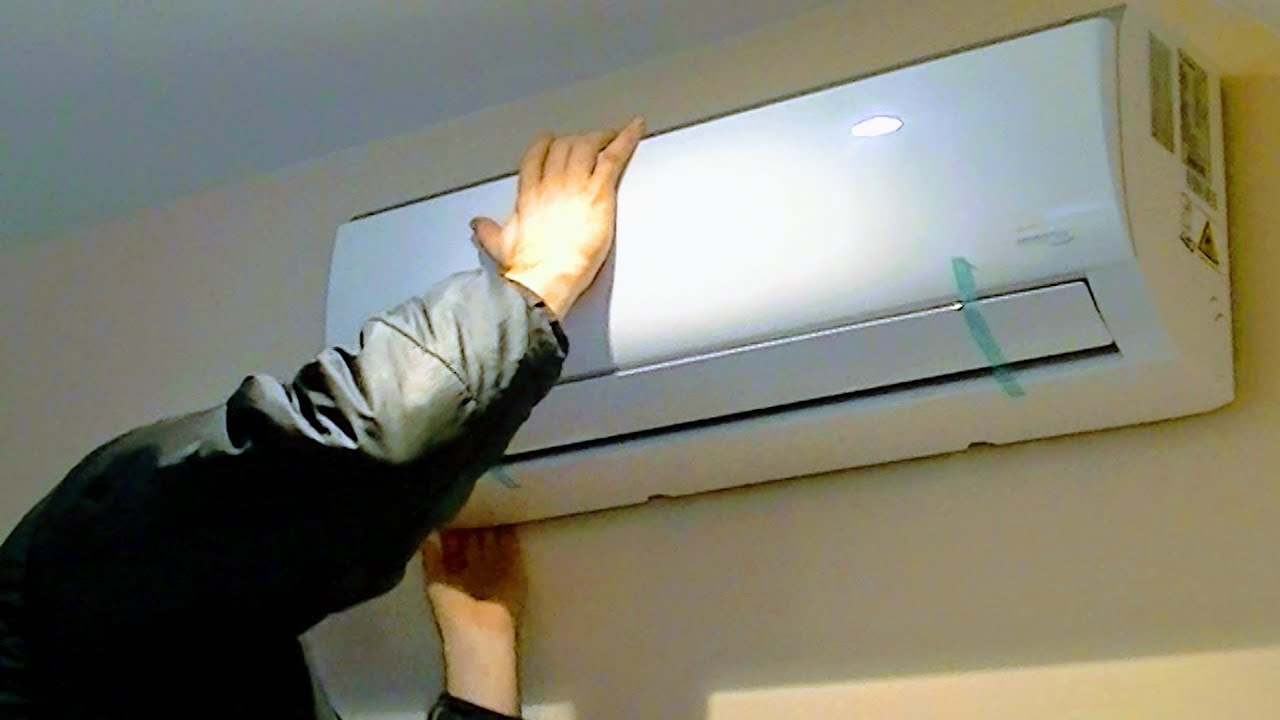

To enhance effectiveness, consider normal upkeep, such as cleaning filters and examining refrigerant degrees. Purchasing a programmable thermostat can also help handle cooling down timetables, lowering unneeded energy use. By understanding these patterns and implementing positive steps, you can lessen energy usage while ensuring your heating and cooling system continues to be dependable throughout the summer, ultimately causing a more comfy living environment.
Shift Seasons Impact
Although the changeover periods of spring and drop present milder temperature levels, they can still significantly influence your HVAC system's power intake. During these change periods, it's essential to apply reliable modification strategies and make seasonal modifications to maximize performance.
Consider these aspects:
- Temperature Fluctuations: Also small modifications can create your a/c to function more difficult. Humidity Degrees: Diverse moisture can affect convenience and system effectiveness. System Maintenance: Normal checks guarantee the system runs efficiently during these transitional phases. Programmable Thermostats: Using these can help manage energy usage more effectively.
Tips for Optimizing Your A/c System Across Seasons
To maintain your a/c system running effectively year-round, it's important to adhere to a seasonal maintenance checklist. Regular tasks, such as changing filters and cleaning coils, can considerably enhance energy performance. By implementing these ideas, you'll ensure peak efficiency regardless of the season.
Seasonal Maintenance List
As temperatures change throughout the year, it's critical to maintain your a/c system in peak problem to ensure excellent efficiency and power performance. Regular upkeep not just expands the life-span of your system however also improves its effectiveness. Right here's a seasonal upkeep list to follow:
- Schedule a springtime check-up to check and clean components Change or clean air filters on a monthly basis, especially throughout hefty usage Plan for fall by examining insulation and sealing ductwork Test the thermostat to verify precise temperature level guideline
Energy Performance Tips
Preserving your heating and cooling system is just the start of accomplishing ideal power efficiency throughout the year. To improve efficiency, take into consideration applying energy-saving upgrades, such as high-efficiency filters and programmable thermostats. These upgrades can greatly decrease power usage.
Adjust your thermostat setups seasonally; set it to 78 F in summer season and 68 F in wintertime for optimal comfort and cost savings. Throughout peak periods, utilize followers to aid circulate air, decreasing the load on your a/c system.

Seal any kind of voids around windows and doors to prevent drafts, guaranteeing your system doesn't function harder than needed. Consistently inspect and clean your vents to keep air flow. By adhering to these pointers, you'll boost your heating and cooling system's performance, lower your power bills, and boost your home's convenience throughout the year.
Regularly Asked Inquiries
How Do Seasonal Modifications Impact A/c System Life-span?
Seasonal adjustments can significantly influence your a/c system's life-span. As temperatures vary, your system works harder, leading to increased deterioration. Normal HVAC maintenance and seasonal assessments can recognize prospective problems early, protecting against costly malfunctions. By guaranteeing your system operates successfully via each period, you'll expand its life. Neglecting seasonal adjustments may cause reduced efficiency and a much shorter lifespan. Stay proactive to maintain your a/c system running smoothly year-round.
What Are Signs of A/c System Stress Throughout Seasonal Transitions?
During seasonal adjustments, you could observe indicators of HVAC system anxiety, like uncommon sounds, raised power expenses, or inconsistent temperatures. These indicators typically reflect decreased system performance. To address this, you need to take into consideration carrying out upkeep tips, such as organizing normal assessments, changing filters, and cleansing ducts. Staying proactive can prevent more issues and assure your HVAC system runs efficiently, maximizing its life-span and efficiency throughout the year.
Can Seasonal Allergens Effect A/c System Efficiency?
Yes, seasonal allergens can impact your a/c system's efficiency. When allergens like plant pollen enter your system, they can obstruct filters and air ducts, reducing air flow and efficiency. Normal system upkeep is essential; you ought to examine and replace filters regularly to ensure efficient allergen purification. Disregarding this can stress your system, bring about higher energy bills and prospective failures. Remaining positive assists maintain peak efficiency and indoor air high quality.
How Frequently Should I Adjustment My Heating And Cooling Filters Seasonally?
You need to change your HVAC filters every 1 to 3 months, relying on your system and use. Following a filter upkeep timetable that straightens with the periods assists maximize performance. In springtime and autumn, when allergens are high, think about examining your filters regular monthly to assure peak airflow. If you have family pets or live in dusty areas, more frequent changes may be necessary. Staying on top of seasonal routines will certainly improve your system's performance.
What Temperature Should I Set My Thermostat Throughout Seasonal Changes?
When changing your thermostat settings during seasonal modifications, aim for a comfortable temperature level around 68 F in winter and 78 F in summer. This balance not just boosts convenience however also takes full advantage of power effectiveness. Each degree you readjust can substantially affect your energy costs, so take into consideration utilizing a programmable thermostat to automate these adjustments. By setting your thermostat carefully, you can maintain a cozy setting while reducing power usage throughout the year.
Summary
In recap, understanding exactly how seasonal adjustments influence your HVAC system is vital for preserving performance and comfort. By acknowledging the impact of temperature variations, humidity, and air top quality, you can take proactive steps to optimize your system. Regular seasonal upkeep and changes ensure your HVAC operates efficiently year-round. By implementing the ideas talked about, you can enhance efficiency, decrease energy usage, and create a comfortable interior environment despite the period. Prioritize your a/c system to delight in regular comfort.